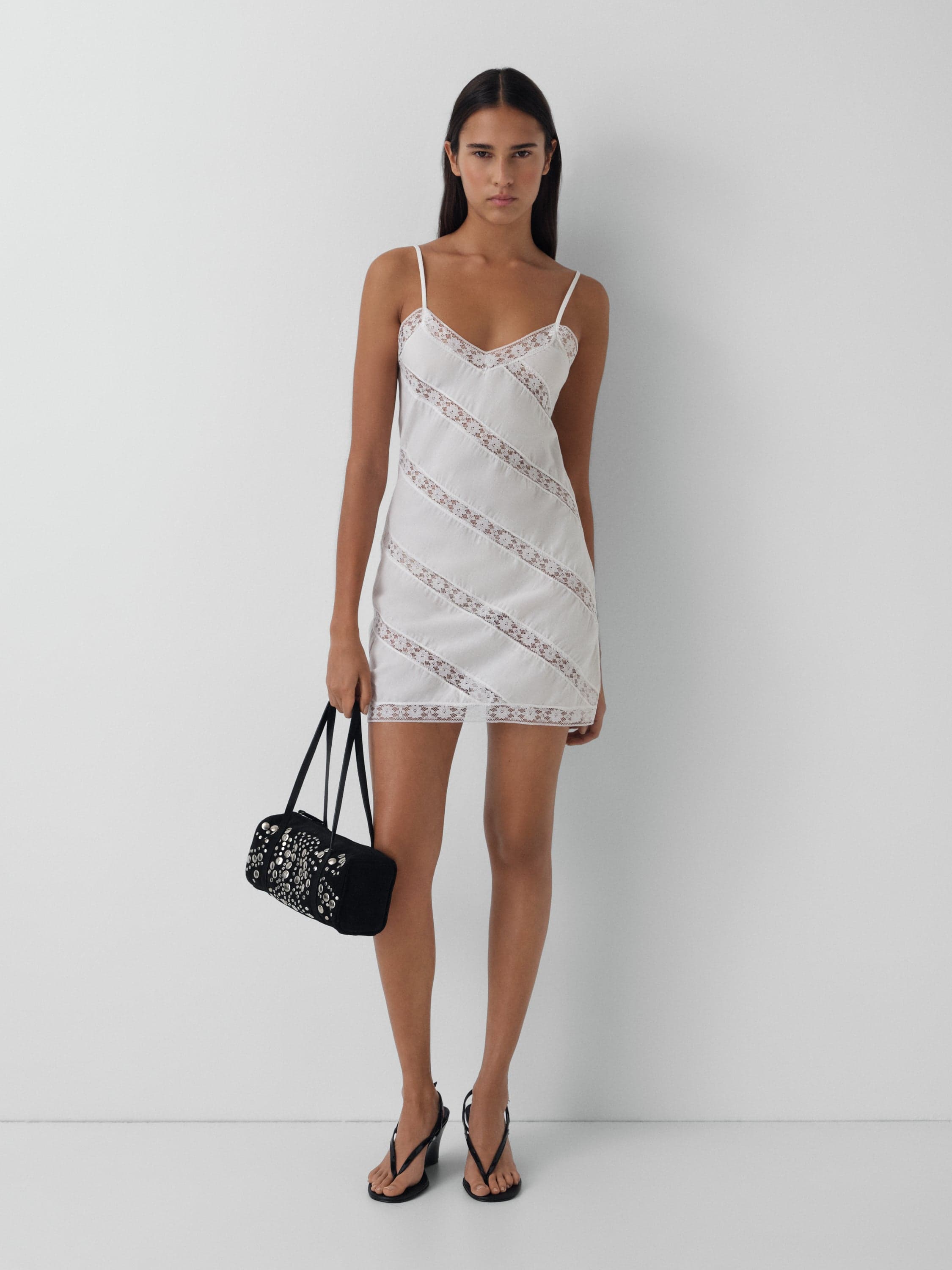
In Korean reference requests, the brand names often arrive before a detailed brief. "Like Gimaguas" or "like Paloma Wool" usually means the image should reveal taste before it signals price.
Culture / Fashion References / 2026
Why every moodboard wants Barcelona
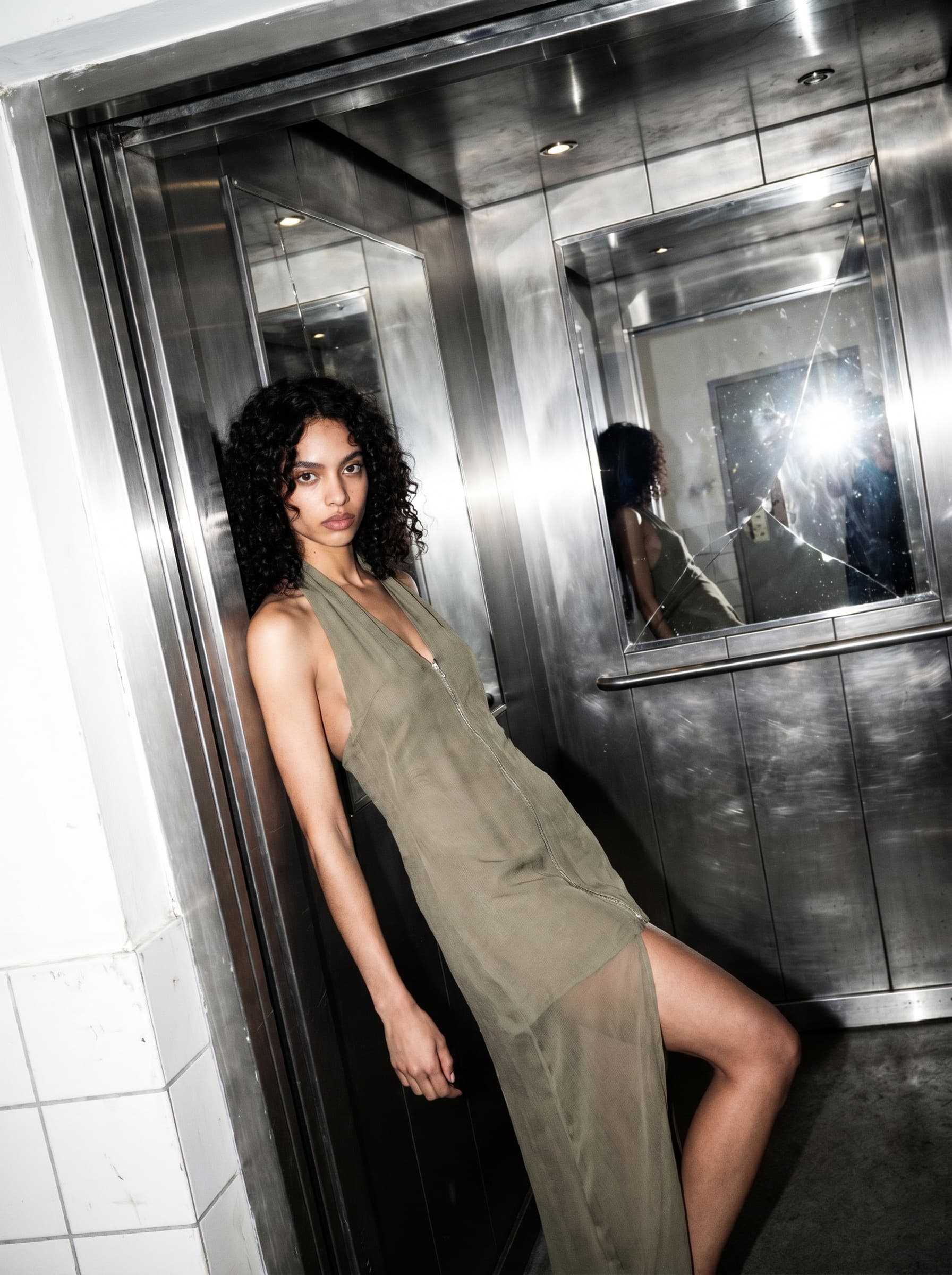
On Korean fashion moodboards, Gimaguas and Paloma Wool have become shorthand for a specific taste: tactile knits, offbeat color, close flash, and sensuality without too much polish.
Research and art direction by Sofi.
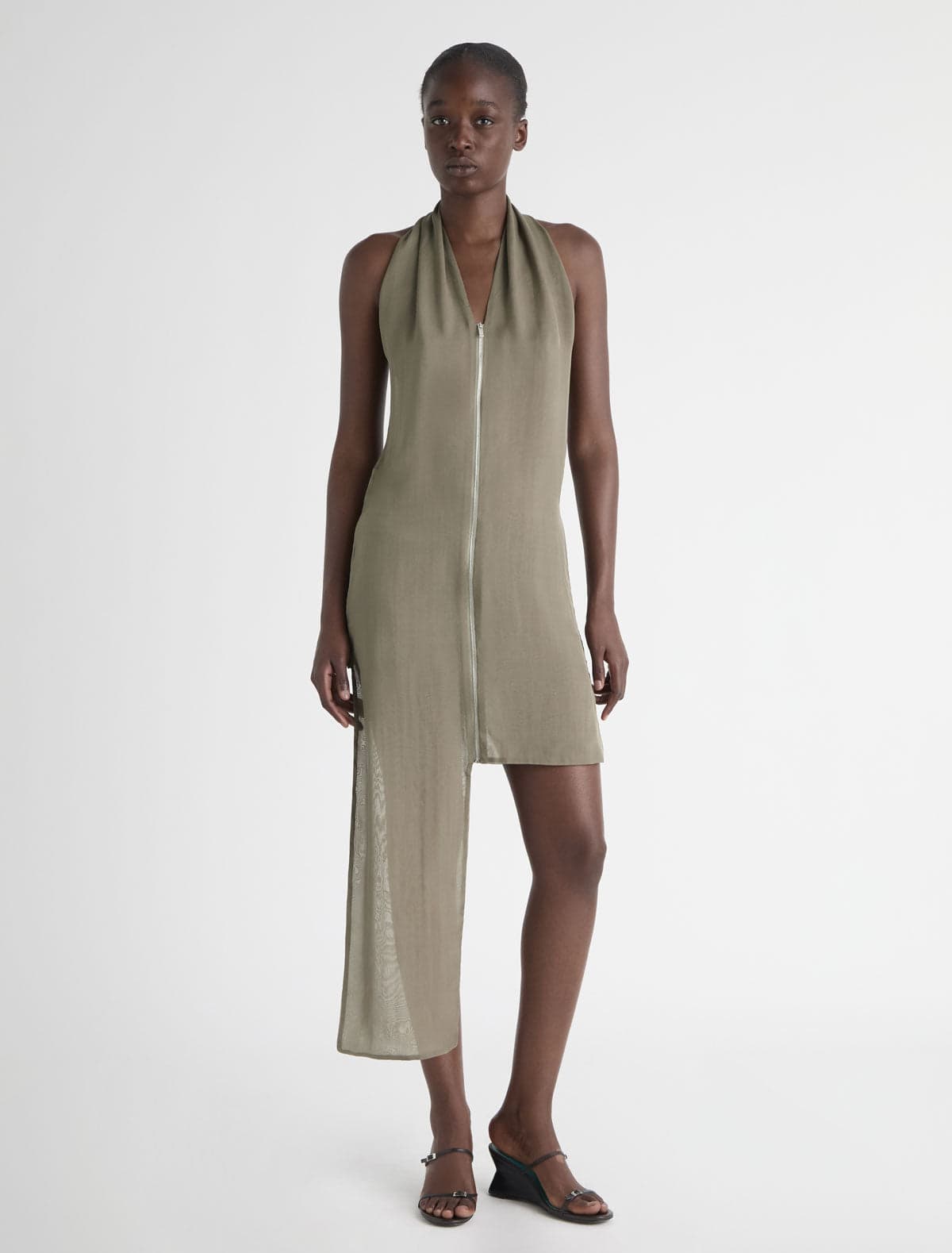
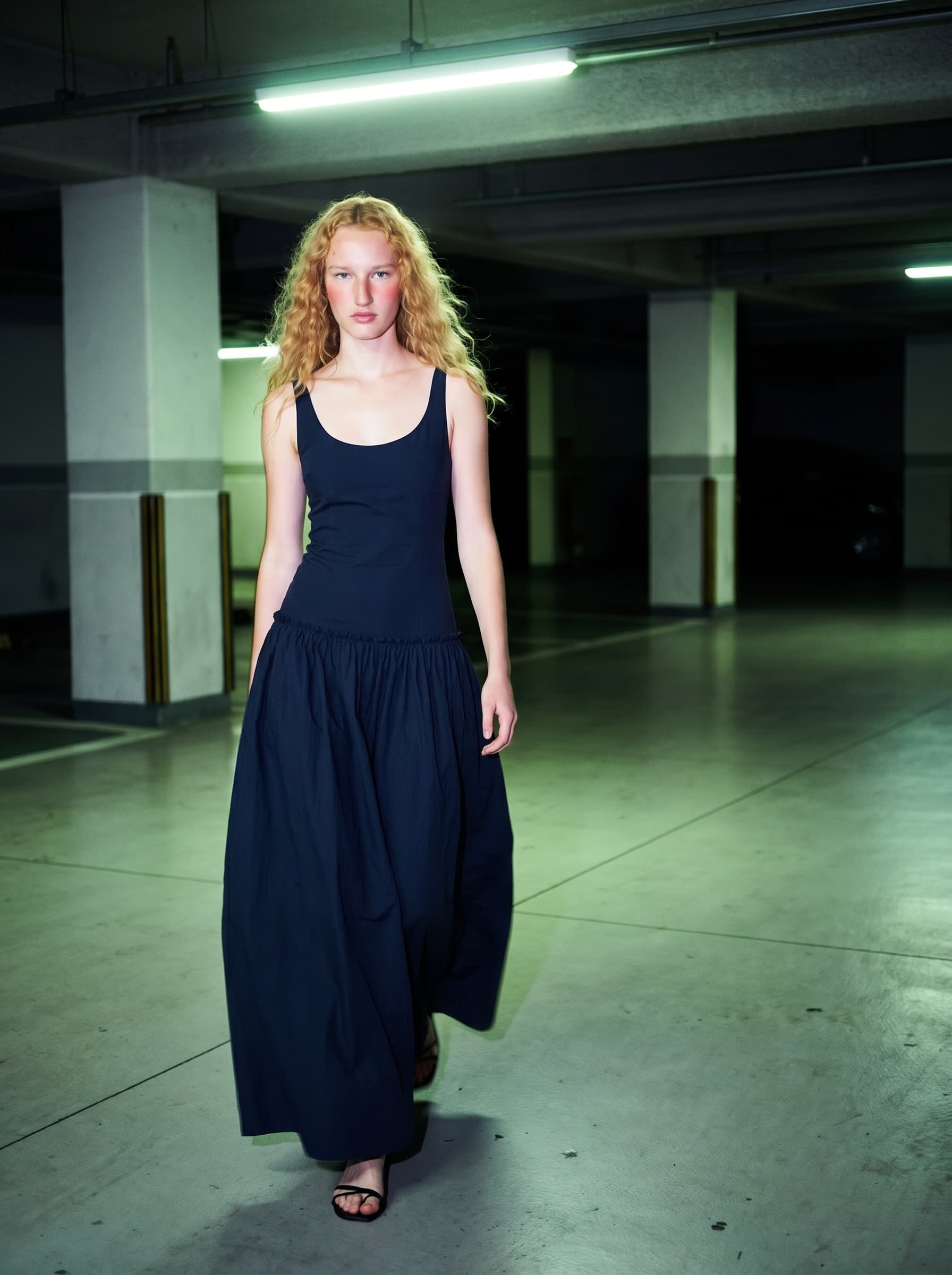
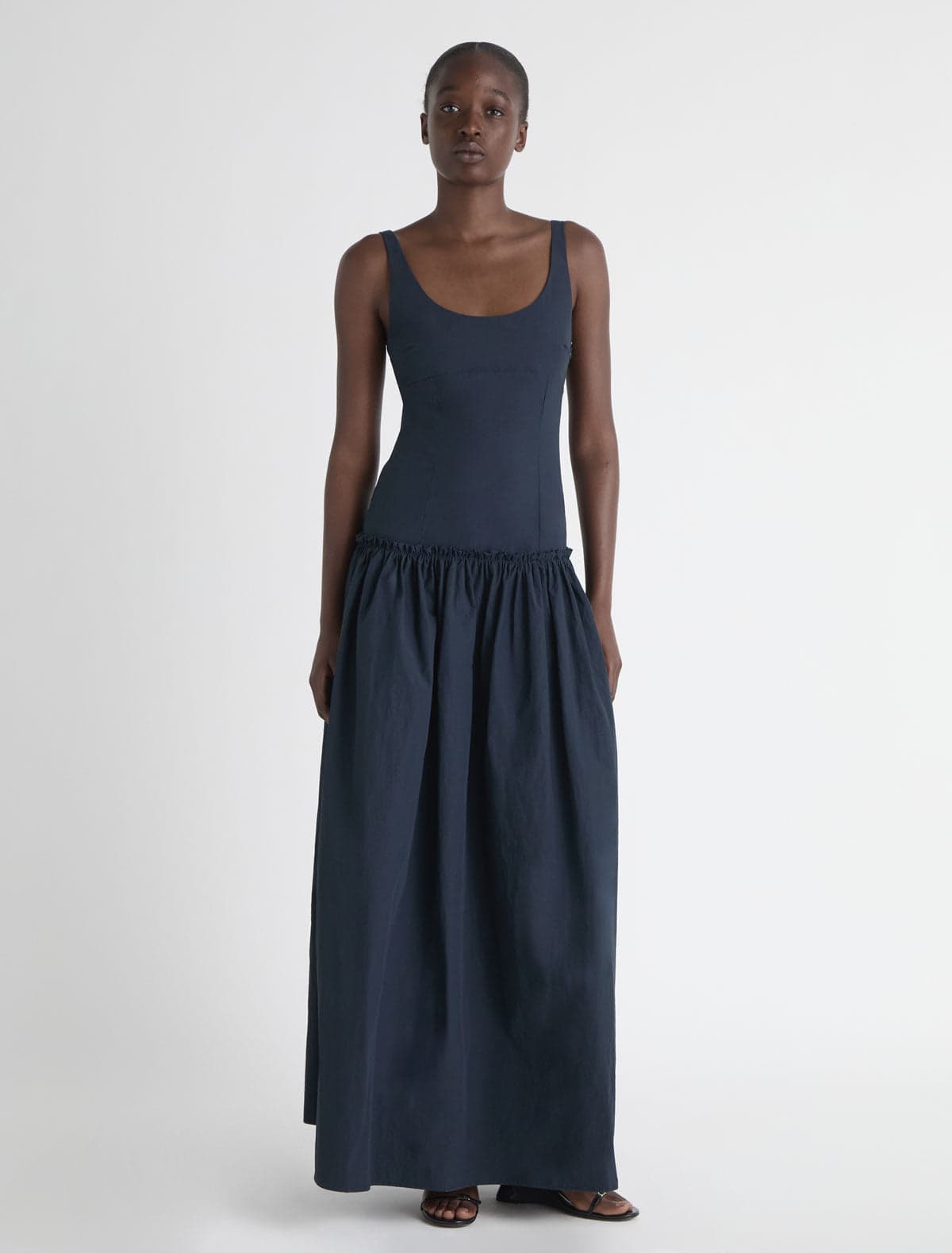
Photography generated with Sofi models and official product garment references.
01 / Analysis
02
The clothes belong to a larger image world.
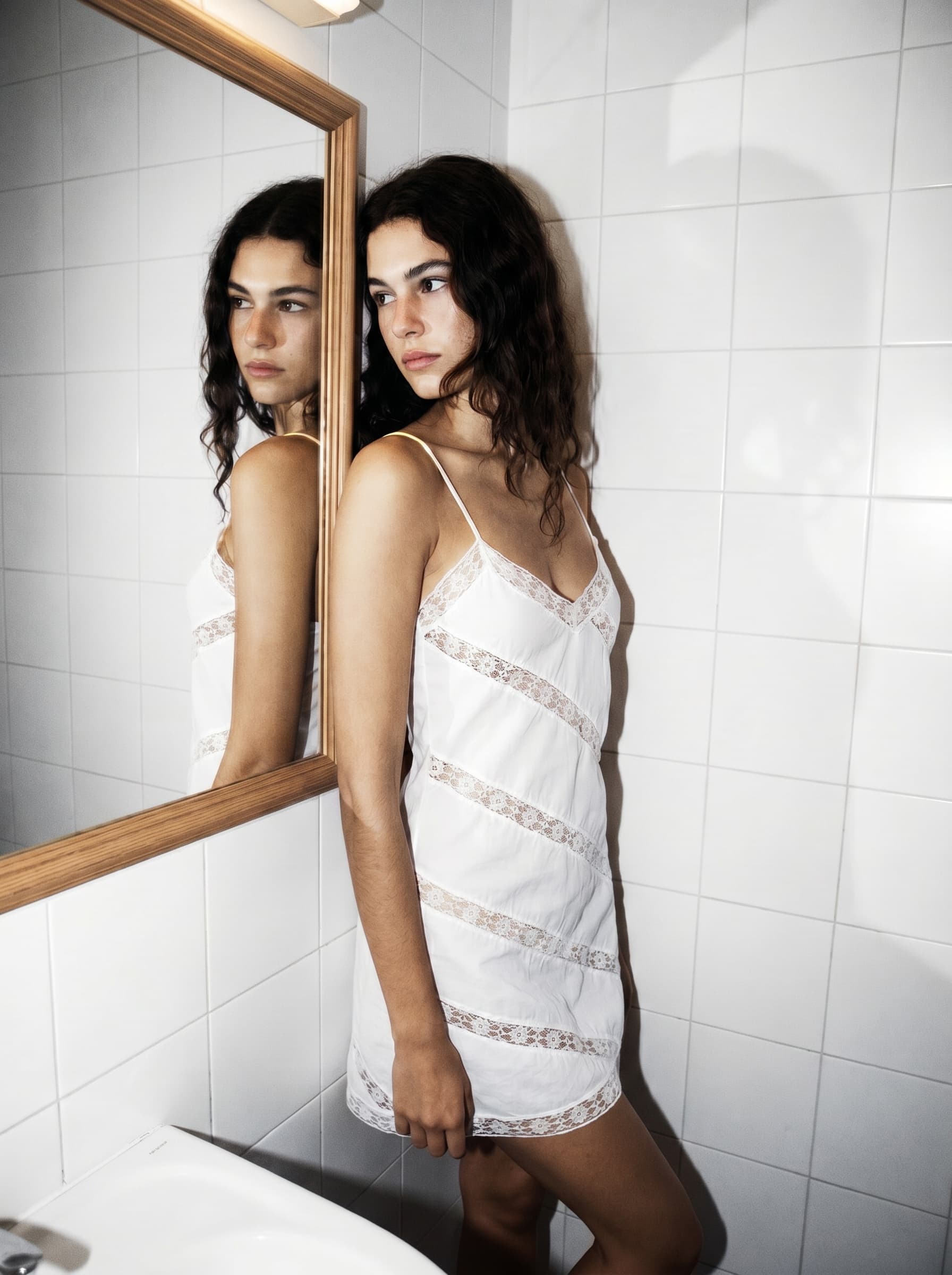
Paloma Wool has long described its practice through art, communication, imagery, and the act of getting dressed. Gimaguas builds its world through the story of its twin founders, Mediterranean movement, small drops, craft details, and campaigns that feel closer to a friend's photographs than a conventional lookbook.
In an image culture, a garment has to work beyond the fitting room. Its shape and mood travel into a mirror selfie, a cafe snapshot, a trip photo, a saved carousel, or a campaign. That wider life is part of both brands' appeal.
03
Why the visual code travels well to Seoul.
Korean retailers already have a vocabulary for imported independent labels. 29CM presents Gimaguas through relaxation, travel, artisan collaboration, and resort clothes that can be worn every day. Select retailers frame Paloma Wool as premium without making it feel remote.
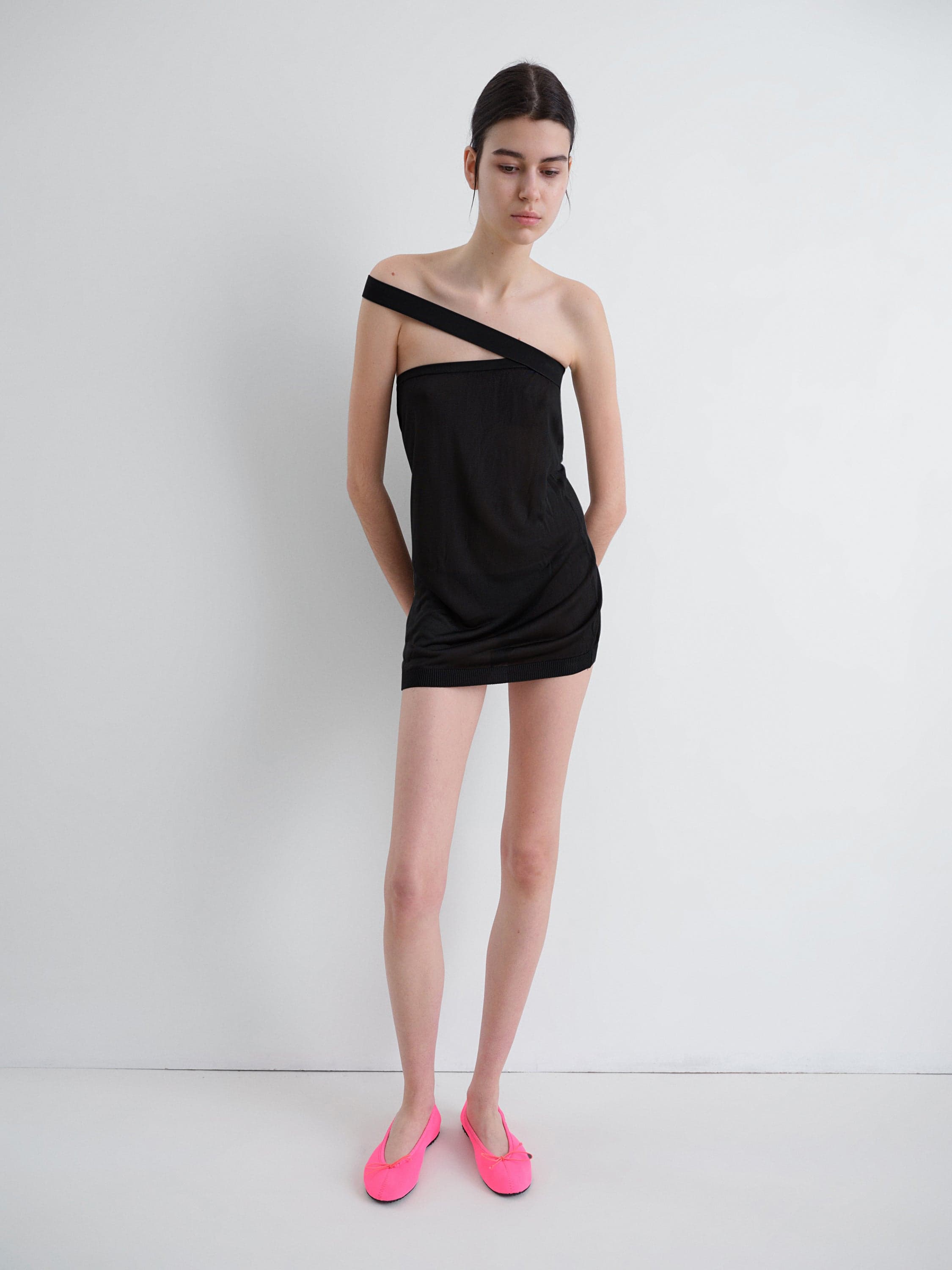
The balance fits a familiar tension in Seoul wardrobes. Strict black and white can skew corporate, while maximalism can look costume-like. An odd knit or sheer layer changes the register without taking over the whole outfit. So can a sculptural shoe or a bag with character.
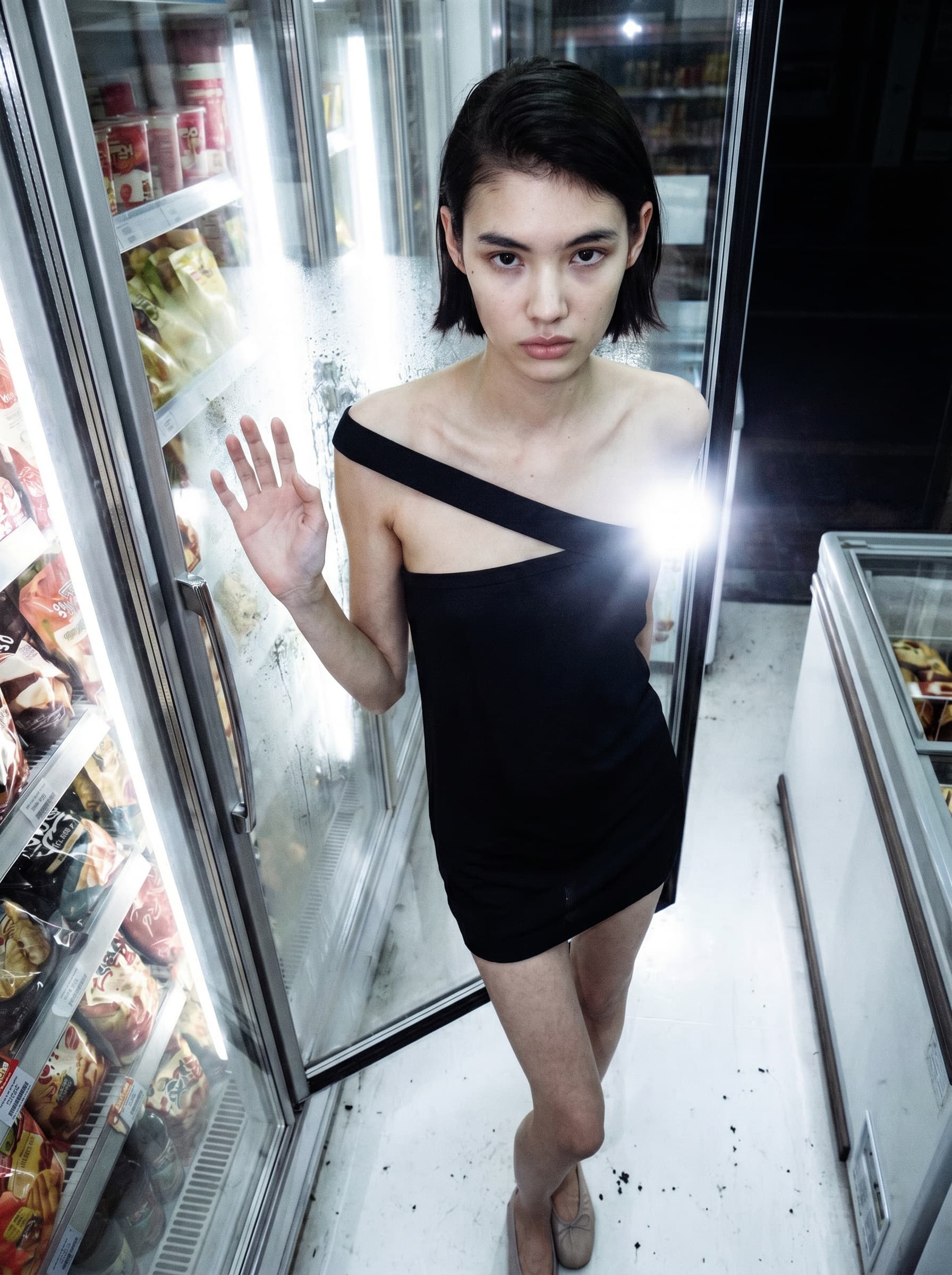
At thumbnail size, the colors, knits, and silhouettes are easy to recognize. Up close, the images keep their flash glare, imperfect rooms, and tactile surfaces. That combination explains why the two brands recur in Sofi reference requests.
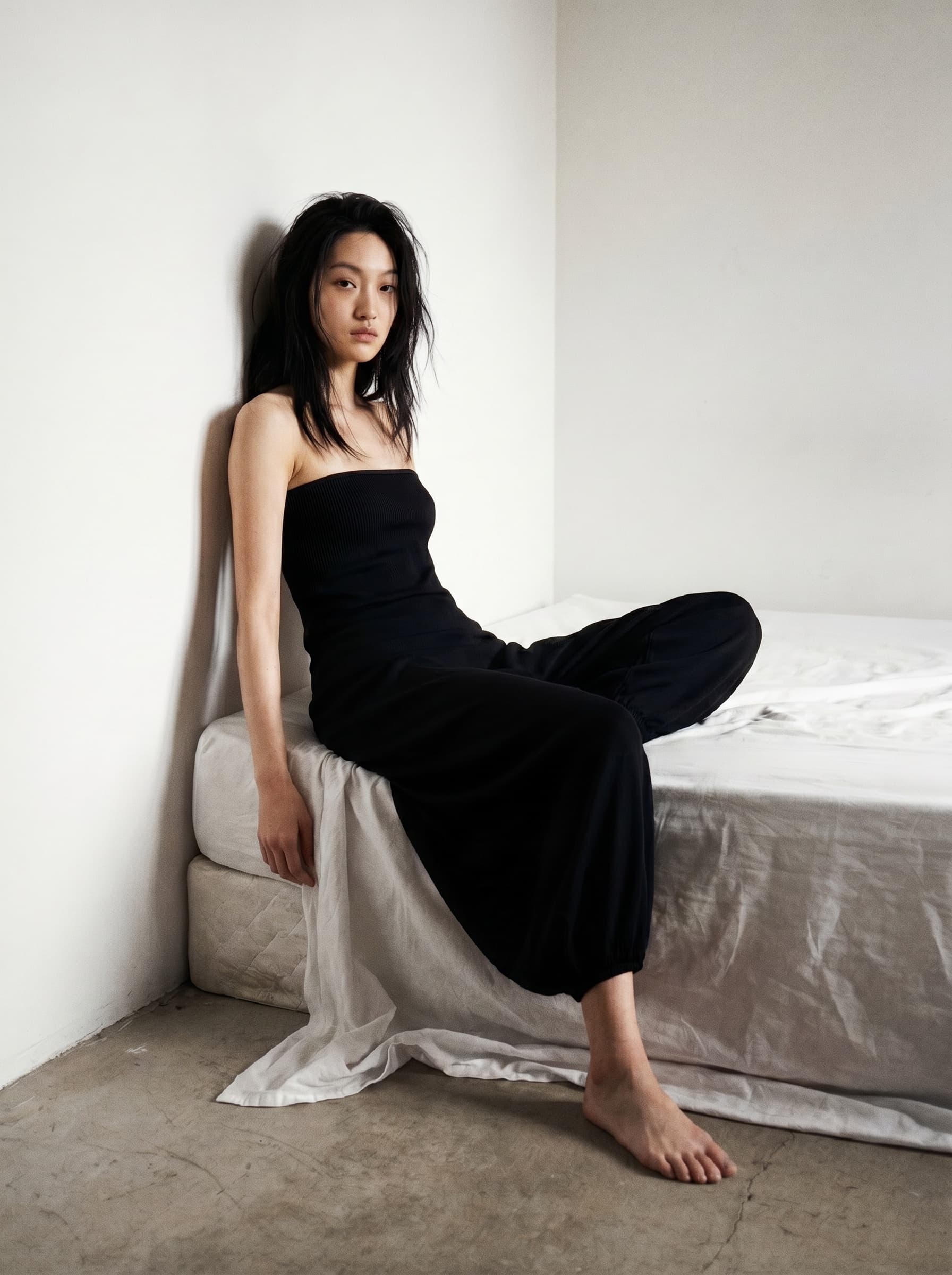
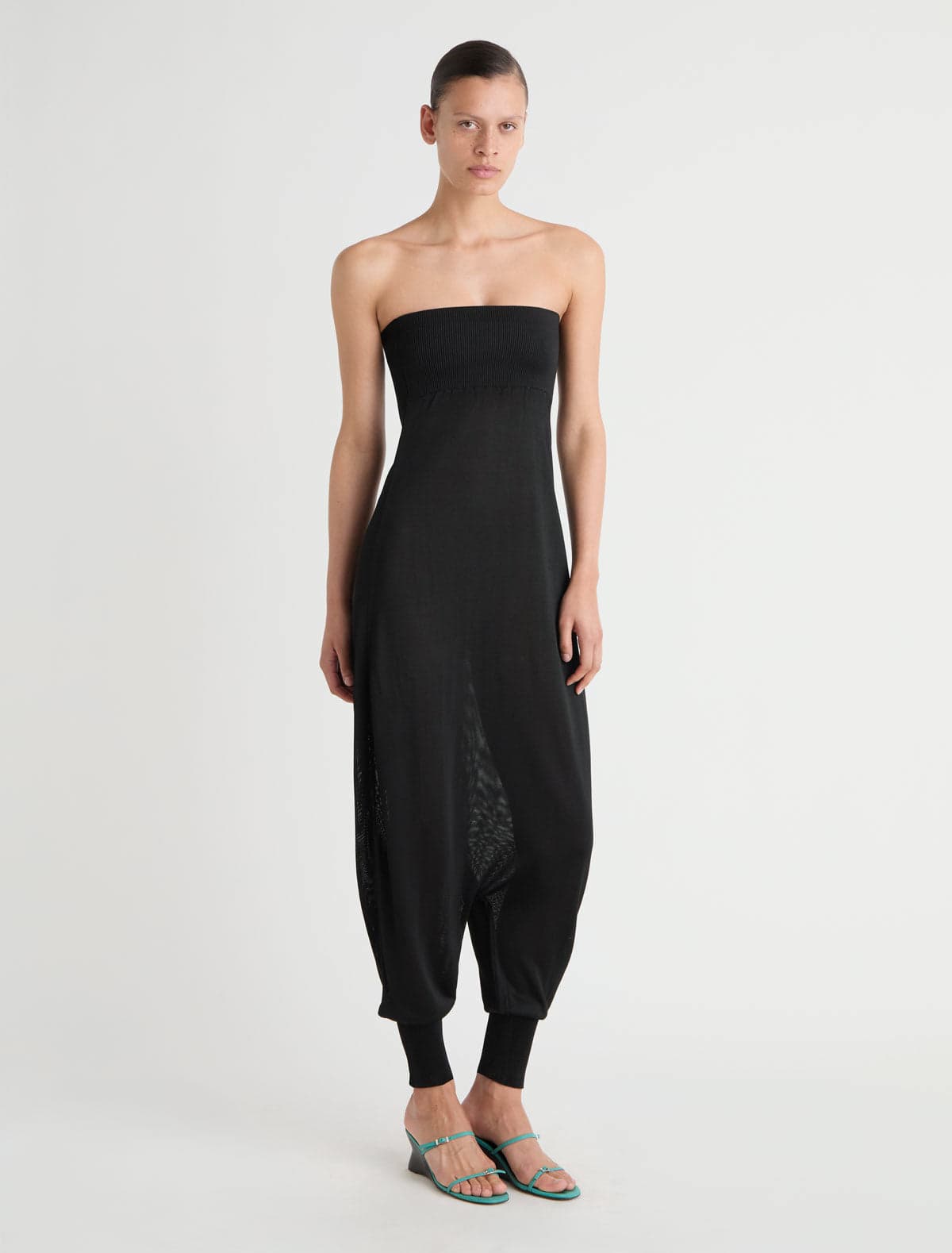
Beyond the European fantasy, these clothes loosen the pressure to look completely finished.
Paloma Wool treats getting dressed as an image practice. Gimaguas lets summer, craft, and nightlife sit inside daily clothes. Against office restraint, cafe culture, travel photos, and independent shopping, both offer a version of imperfection that still feels considered.
Young brands reach for these references because the mood travels without carrying Spain with it. A Seoul hallway, bathroom, parking level, or bedroom can hold the same tension once the garment, light, and posture are right.
Sources and reading
01Gimaguas: Alla Dress official product reference02Gimaguas: Beatrice Dress official product reference03Paloma Wool: Aluni official product reference04Paloma Wool: Jinno Dress official product reference05Paloma Wool: Gelo official product reference06Vogue: Paloma Wool and the move beyond the Instagram brand07British Vogue: Gimaguas, viral product language, and celebrity circulation08Liberty: Paloma Wool as art, communication, and Barcelona sisterhood0929CM: Korean retail framing of Gimaguas1029CM: Gimaguas seasonal lookbook context11SSENSE: Gimaguas brand notes